GET IN TOUCH
4508 E West Market Street, Greensboro, NC, 27407

GET IN TOUCH
4508 E West Market Street, Greensboro, NC, 27407
CALL US NOW
+1 336 8980052
SEND US EMAIL
info@alteyib.org
4508 E West Market Street, Greensboro, NC, 27407
4508 E West Market Street, Greensboro, NC, 27407
+1 336 8980052
info@alteyib.org
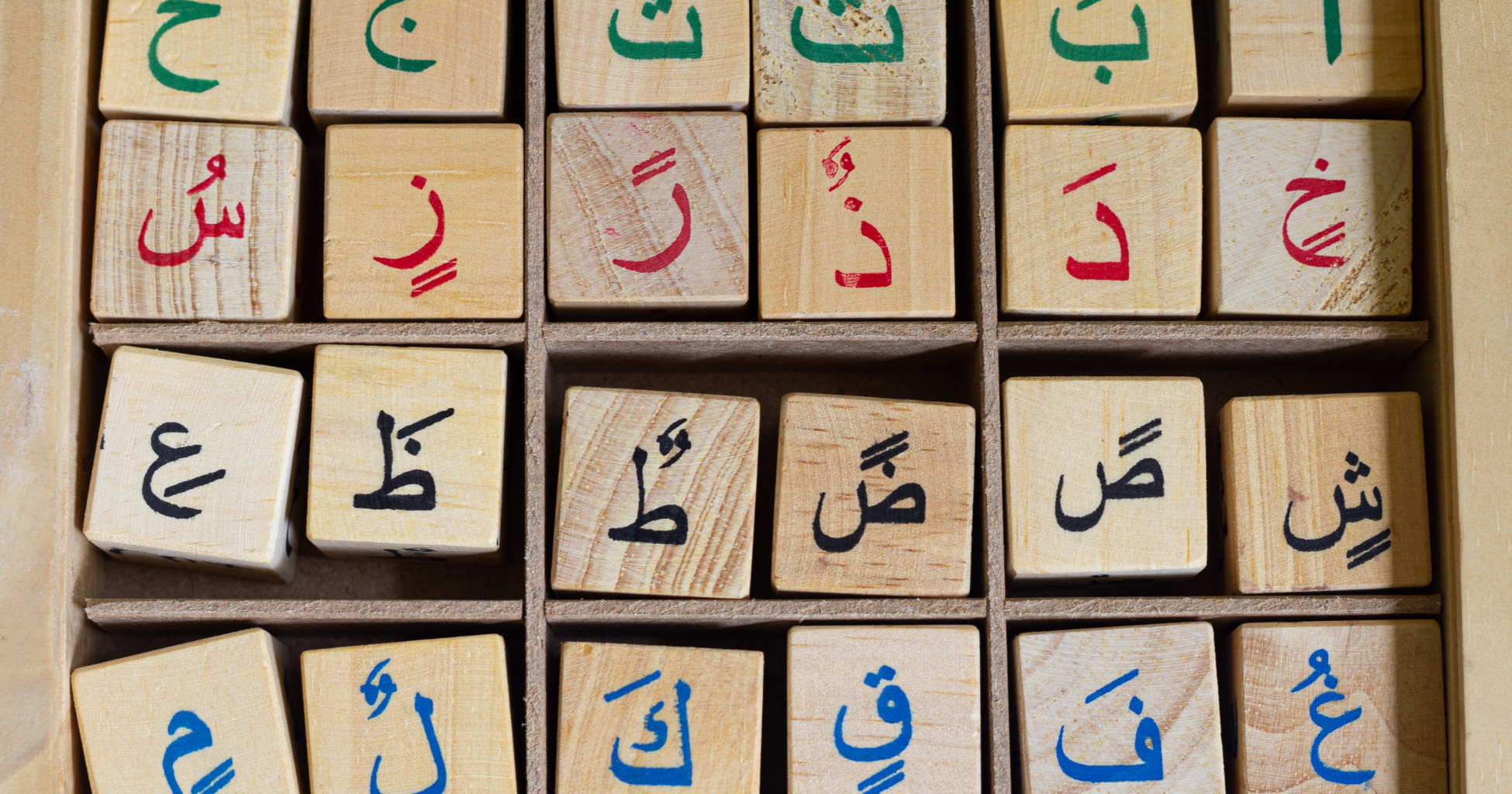
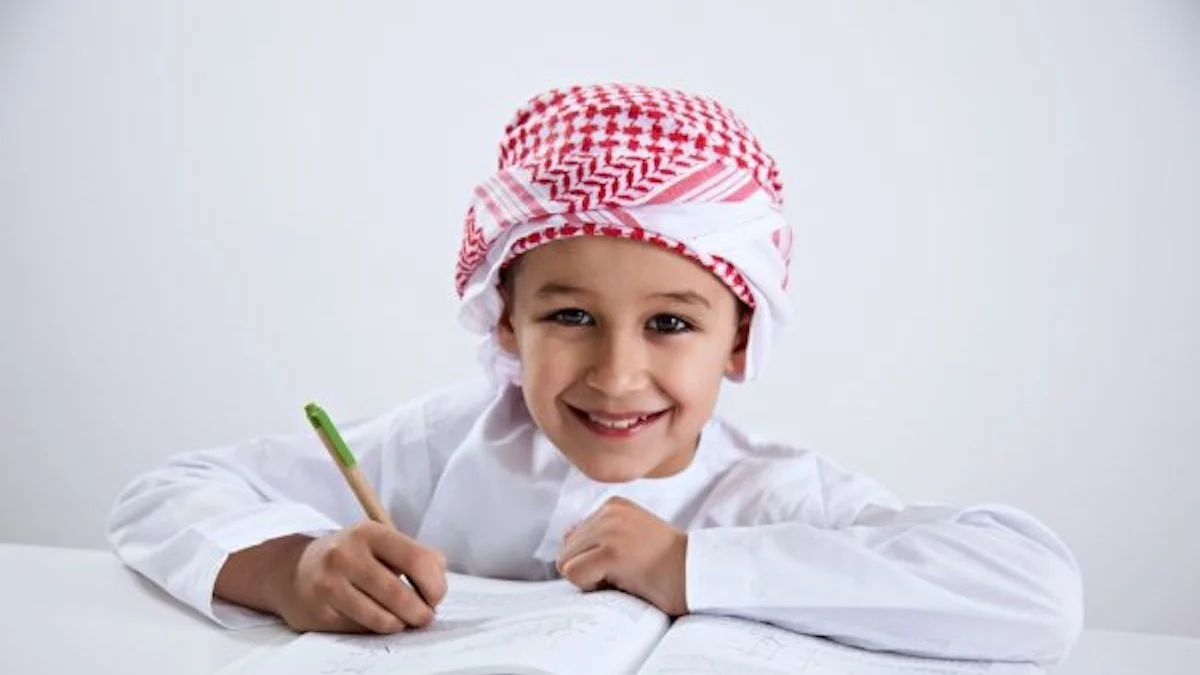
Learning a new language at an early age is one of the most powerful ways to build a child’s cognitive, cultural, and communication skills. Arabic, as one of the most widely spoken languages in the world, offers children an exciting opportunity to connect with a rich history, beautiful culture, and a global community of speakers. The Beginner Arabic for Children program is designed to introduce young learners to the Arabic language in a fun, engaging, and effective way.
Children have a natural ability to absorb languages quickly. At a young age, their brains are more flexible, making it easier to understand new sounds, vocabulary, and grammar structures. Learning Arabic early helps children develop strong listening and speaking skills, which can later support reading and writing fluency.
Arabic is also a language of culture, tradition, and communication for over 400 million people worldwide. By learning Arabic, children gain access to a wider world of stories, songs, traditions, and friendships. It also helps them build confidence in multicultural environments.
The Beginner Arabic for Children course is carefully designed to match the learning needs of young students. Instead of focusing on complex grammar rules, it introduces Arabic through simple, visual, and interactive methods.
The lessons include:
Each lesson is structured to keep children engaged while slowly building their understanding of the language.
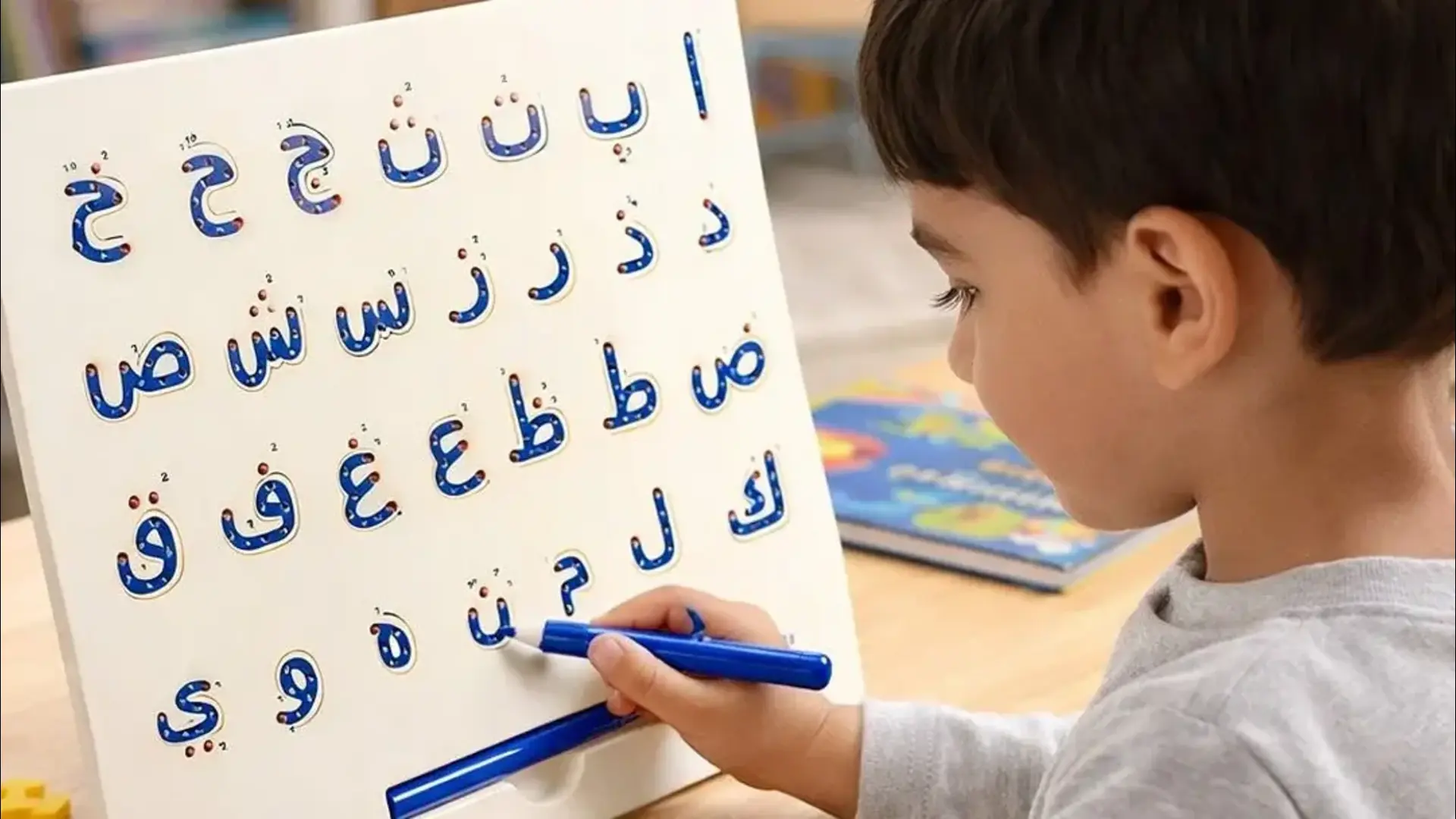
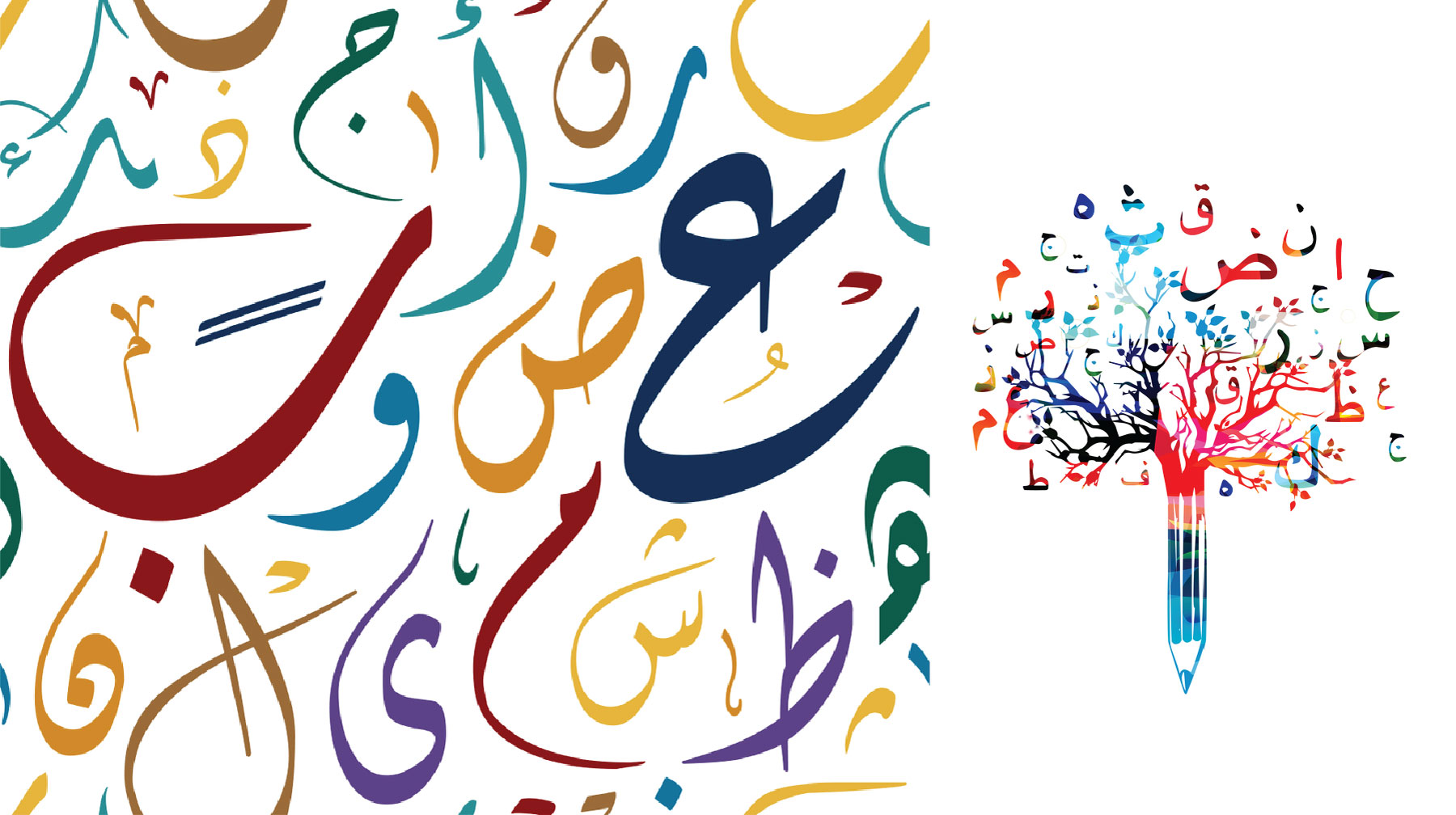
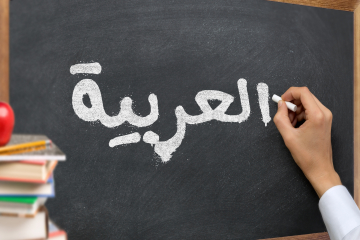
At the beginner level, the focus is on building a strong foundation. Children start by learning the Arabic alphabet, which is essential for reading and writing. The alphabet is introduced in a step-by-step manner, with each letter connected to familiar objects or images to make memorization easier.
For example, children may learn:
This association between letters and real-world objects helps children remember faster and enjoy the learning process.
One of the most important parts of learning Arabic is developing listening and speaking abilities. In the Beginner Arabic for Children program, children are encouraged to listen to native-like pronunciation and repeat words regularly.
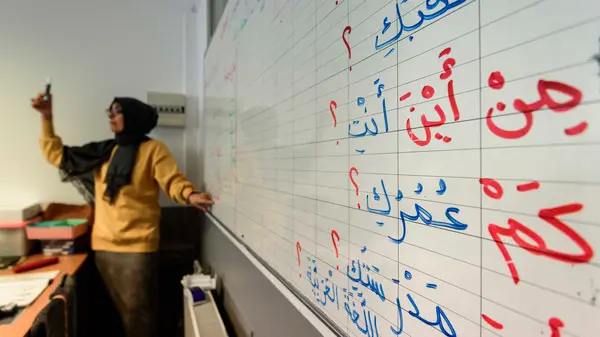
Teachers use repetition, songs, and interactive dialogues to help students become comfortable with basic Arabic expressions such as:
These simple phrases allow children to start communicating in Arabic from the very beginning.
Children learn best when they are having fun. That is why this program includes a wide variety of engaging activities. These may include coloring worksheets, matching games, flashcards, and digital exercises.
Storytelling is also an important part of the course. Short and simple Arabic stories help children understand sentence structure and vocabulary in context. By listening to stories, children improve both comprehension and imagination.
Games are used to reinforce learning. For example, vocabulary games help children match Arabic words with pictures, while memory games strengthen recall skills.
Learning Arabic is not just about language; it is also about understanding culture. Through this program, children are introduced to Arabic-speaking countries, traditions, holidays, and daily life.
They may learn about greetings, family values, traditional foods, and cultural celebrations. This helps children develop respect and curiosity for other cultures, which is an important skill in today’s global world.
One of the goals of the Beginner Arabic for Children program is to build confidence. Many children may feel shy when learning a new language, especially one with a different script like Arabic. That is why the course is designed to be supportive and encouraging.
Small achievements are celebrated, and children are motivated to practice regularly. Over time, they become more confident in speaking, reading, and recognizing Arabic words.
Parents play an important role in a child’s learning journey. The program encourages parents to support their children by practicing simple words at home, reviewing lessons, and encouraging daily practice.
Even a few minutes of practice each day can make a big difference in a child’s progress. When parents are involved, children feel more motivated and supported.
The Beginner Arabic for Children program is a carefully designed learning experience that introduces young learners to the Arabic language in an enjoyable and meaningful way. By combining vocabulary, speaking practice, stories, and cultural lessons, it creates a strong foundation for future language learning.
Arabic opens the door to a world of opportunities, communication, and cultural understanding. With the right guidance and engaging methods, children can start their Arabic journey with confidence and excitement.