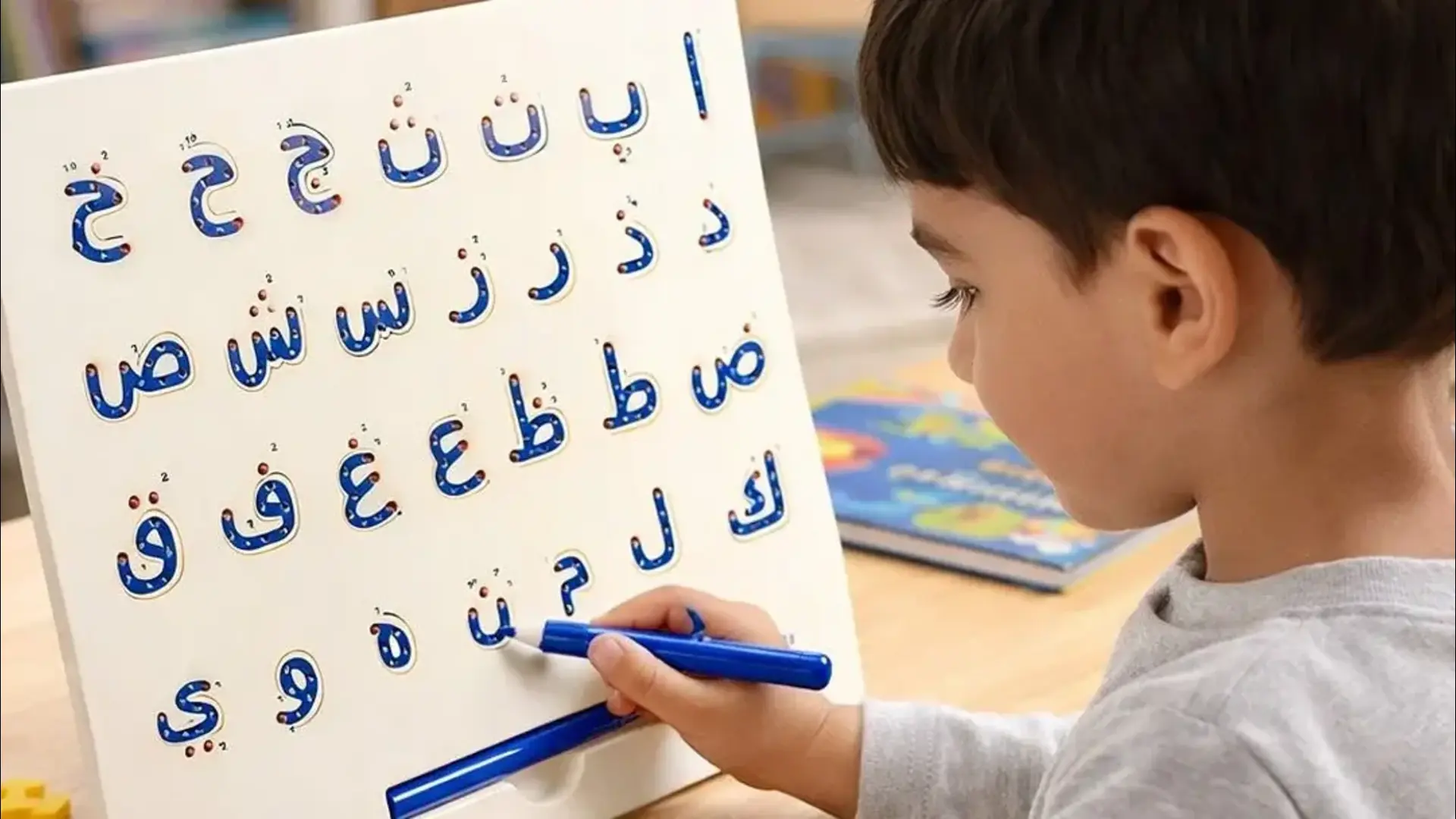
Beginner Arabic is the first step for anyone who wants to learn the Arabic language from scratch. At this level, learners are introduced to the fundamental elements of the language, including the Arabic alphabet, basic pronunciation, and simple words and phrases. Although Arabic may seem complex at first, starting with the basics makes the learning process easier and more structured.
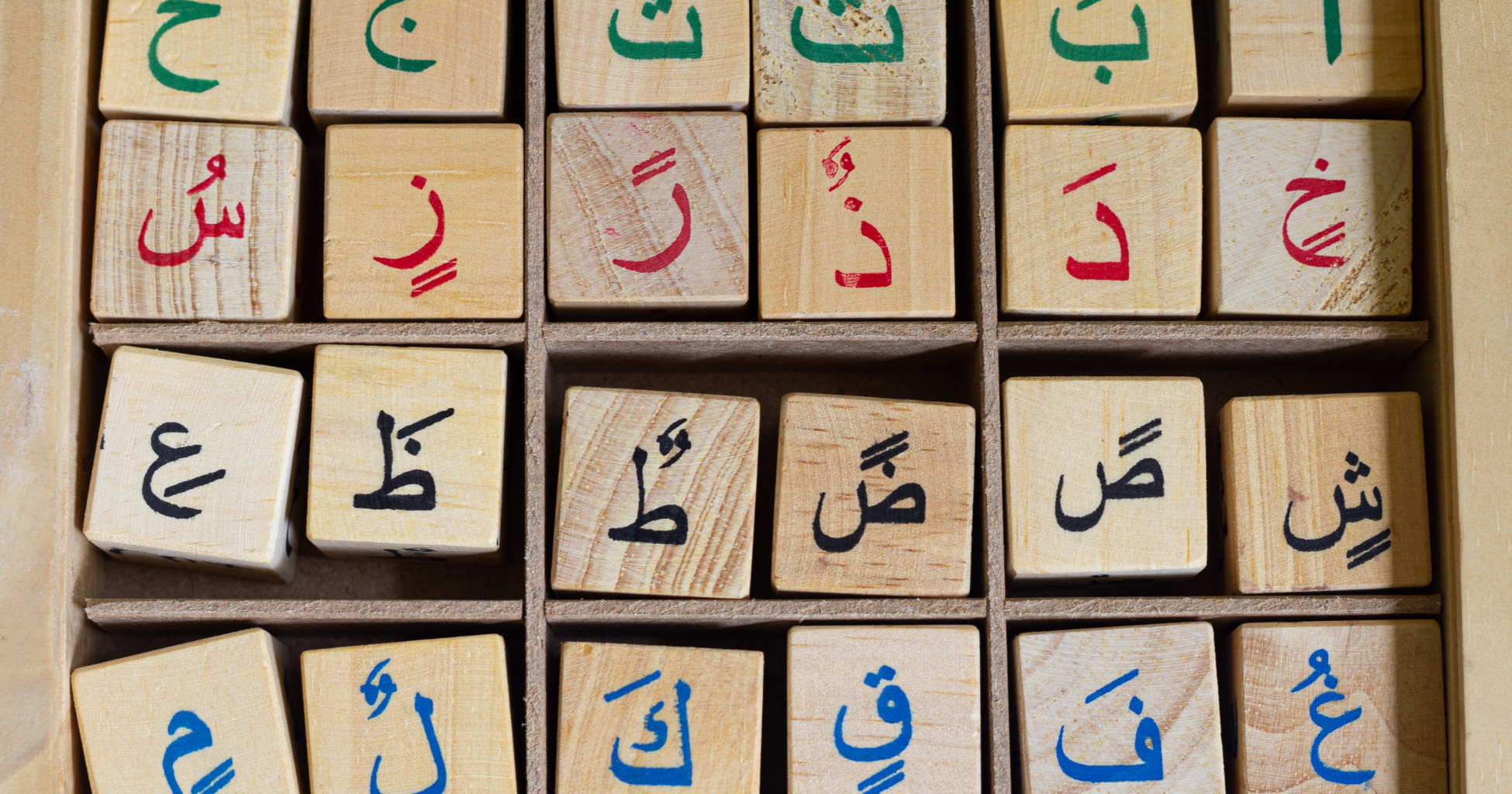
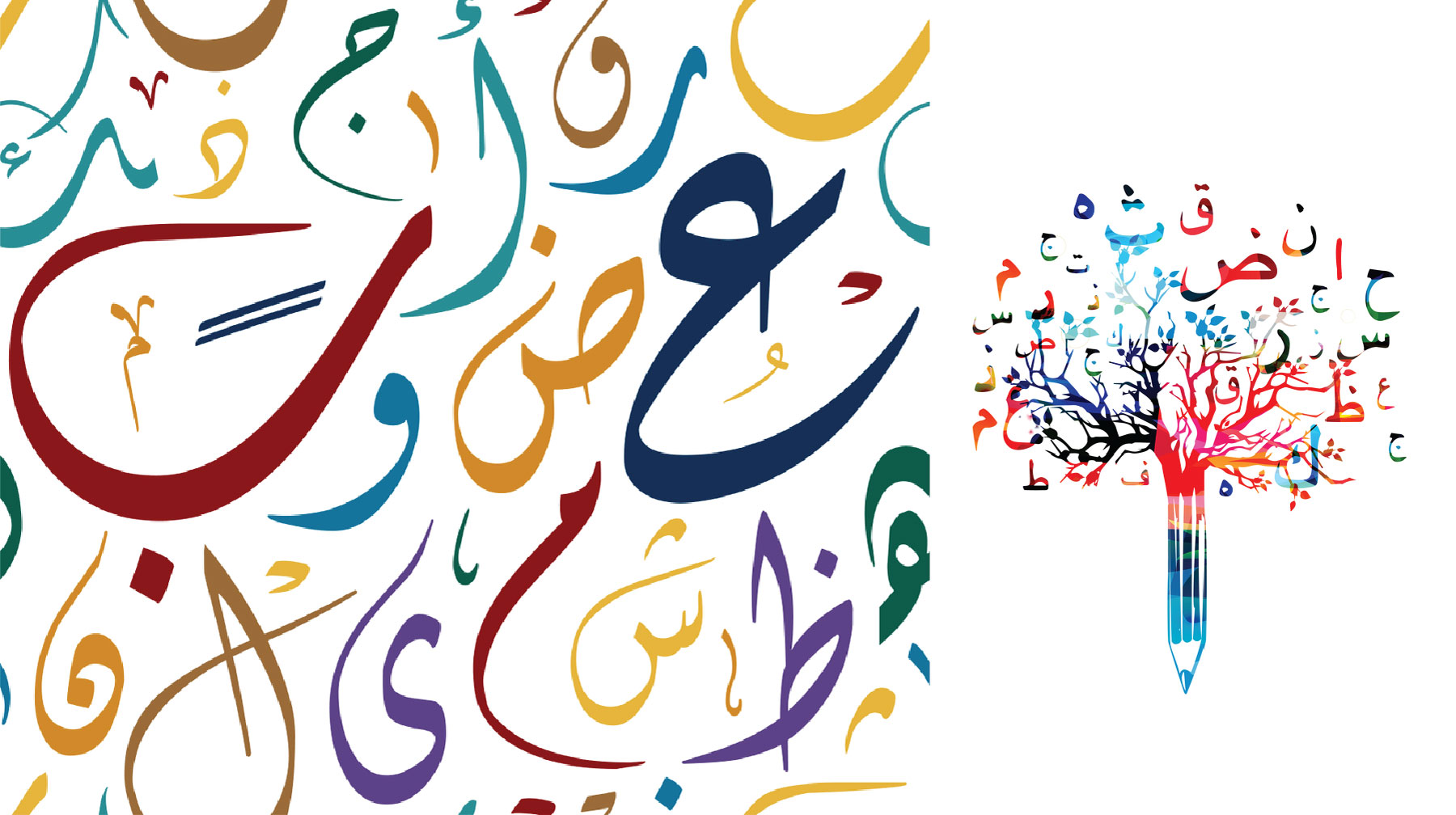
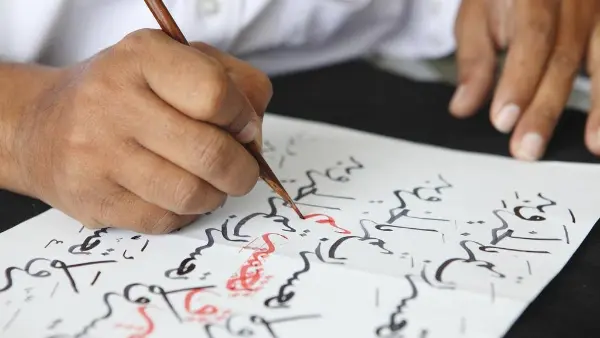
One of the most important aspects of beginner Arabic is learning the alphabet. Arabic consists of 28 letters, and each letter can have different forms depending on its position in a word. Students need to practice reading and writing these letters regularly to become familiar with them. Pronunciation is equally important, as Arabic contains sounds that may not exist in other languages.
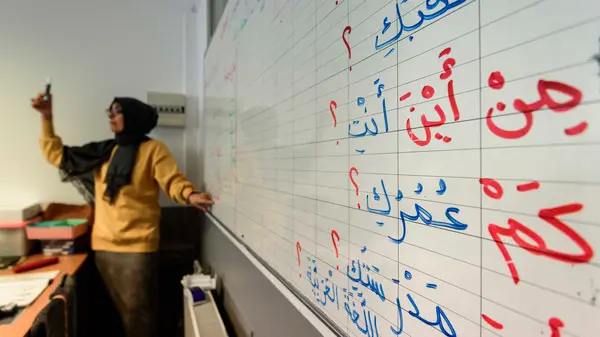
At the beginner level, learners also start building their vocabulary. Common words related to daily life, such as greetings, numbers, and basic expressions, are usually taught first. This allows students to start forming simple sentences and communicate in basic situations.
Grammar at this stage is kept simple. Learners are introduced to basic sentence structures and essential grammar rules without going into too much detail. The goal is to help students understand how the language works without overwhelming them.
Listening and speaking practice are also important. Beginners are encouraged to listen to native speakers and repeat words and sentences to improve their pronunciation and confidence. Interactive exercises, videos, and audio lessons can make this process more engaging.
Consistency is key at this level. Regular practice, even for a short time each day, can lead to significant improvement. With patience and dedication, learners can quickly move from recognizing letters to forming basic conversations.
Overall, beginner Arabic lays the foundation for all future learning. It builds confidence and prepares students for more advanced levels of the language.